

Water Well Drilling Tahoka TX
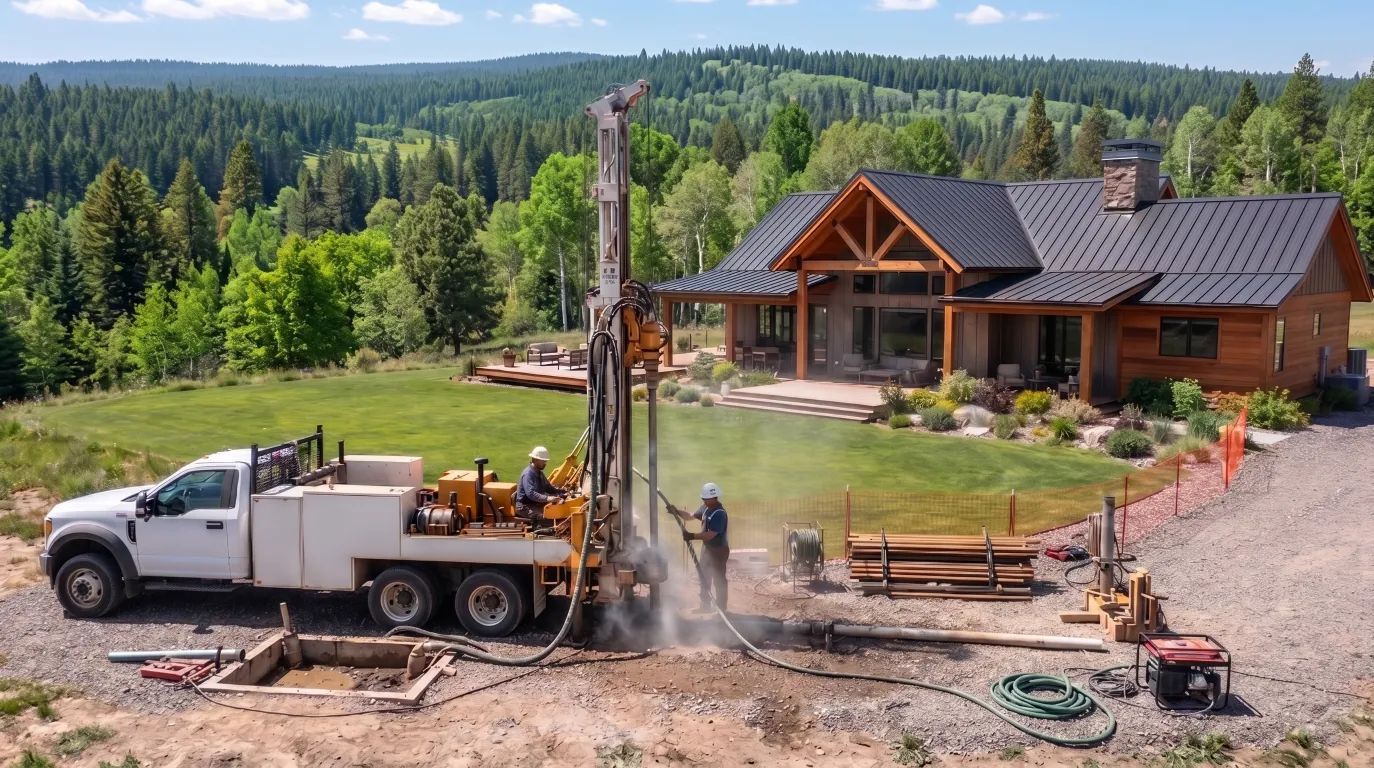
Facing a dry well or dropping static levels in Lynn County? We engineer deep Dockum (Santa Rosa) boreholes, perform pressure-grouted casing seals, and dispatch emergency pump repair across Tahoka ranches and farms.
Drilling deep Santa Rosa sandstone below thinned Ogallala.
TDLR positive displacement sealing out shallow alkali seepage.
Off-grid pasture solar pumping packages for remote Lynn pastures.
Facing a Dry Well in Lynn County? We Specialize in Well Deepening
Call our dispatch desk for deep aquifer sounding or submit your parcel and current well depth for a comprehensive Dockum isolation proposal.
Tahoka Well Deepening & Repair
Enter your current well depth, casing size, and symptoms to request a deep aquifer or Dockum consultation.
The Reality of Severely Thinned Saturated Thickness
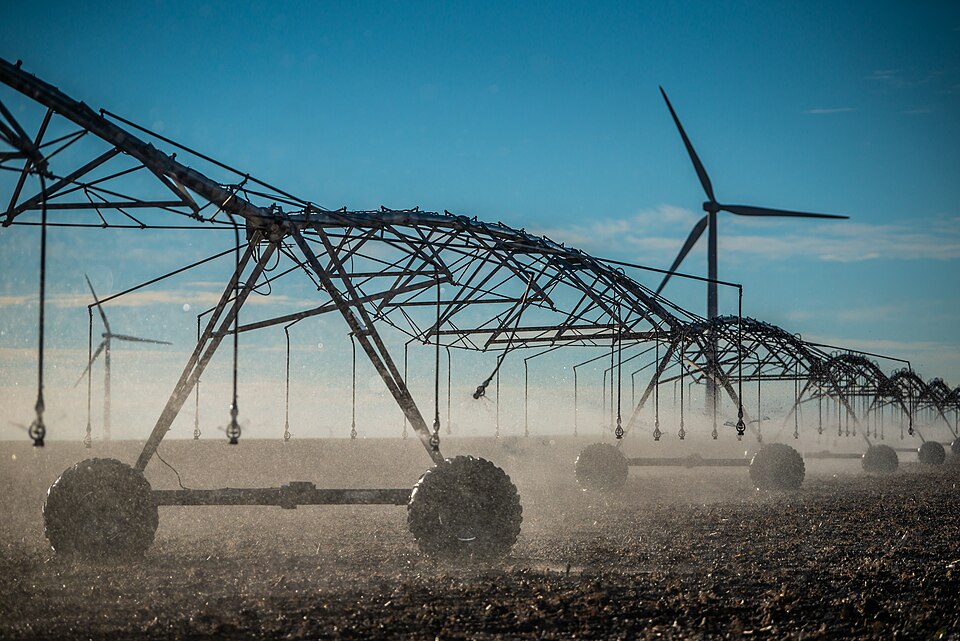
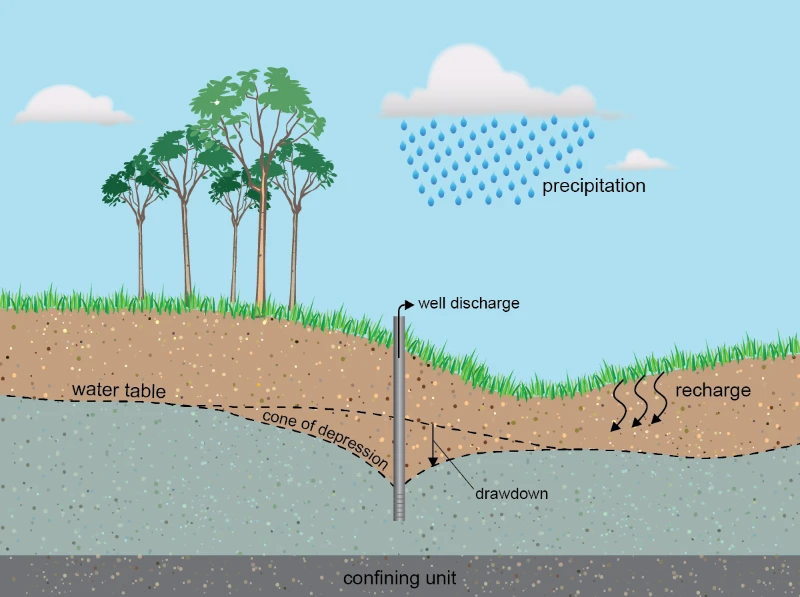
If your tap is violently spitting bursts of air followed by a heavy surge of brown, muddy water, your downhole pump is starving for intake volume. Driving due south from Lubbock along US-87 into the Lynn County seat, the subterranean hydrogeology shifts dramatically. Historically, the area surrounding Tahoka Lake featured accessible, shallow groundwater. Decades of continuous, heavy agricultural extraction for dryland and irrigated cotton farming have aggressively depleted this sector of the Ogallala Aquifer. Today, we routinely log existing wells with a severely thinned Ogallala saturated thickness, frequently leaving under 30 to 40 feet of usable water column remaining above the bedrock floor.
When the static water level drops below your submersible pump’s physical intake screen, the motor instantly pulls oxygen alongside raw formation dirt. This creates a violent mechanical vacuum known as cavitation. Cavitation immediately shreds the thermoplastic impellers inside the pump’s wet end and strips the critical cooling water away from the motor housing. The copper windings overheat, melt their protective insulation, and short directly to ground. Replacing a burned-out pump without addressing the lack of water guarantees a second catastrophic failure within days. We provide comprehensive Tahoka well service diagnostics, using electronic water level meters and sonic probes to sound your casing, determine your exact remaining hydrostatic head, and dictate the mechanical path forward.
Well Deepening Tahoka TX: Punching Through the Red Beds
If our tag line hits the solid caprock floor directly below your current pump setting, simply lowering the motor on an extra joint of Schedule 80 PVC is impossible. Resolving a completely bottomed-out Ogallala well requires aggressive mechanical intervention. You cannot push old, brittle PVC casing deeper into solid rock. We must execute a highly engineered well deepening operation, which frequently means abandoning the original shallow hole and spudding a completely new, large-diameter borehole nearby.
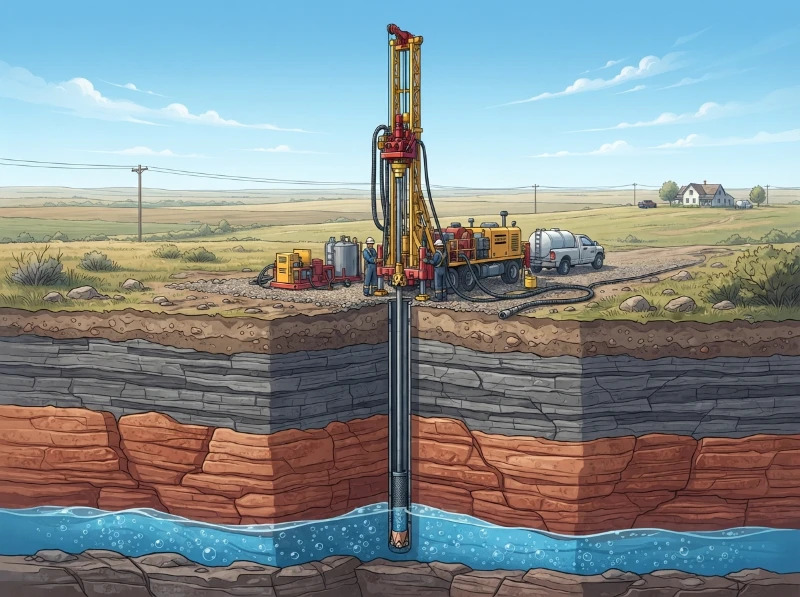
Beneath the dying Ogallala Aquifer lies a massive, dense shelf of Triassic red bed clay. This sticky, non-water-bearing clay aquitard forms the solid floor of the upper aquifer. Penetrating this massive barrier requires heavy-duty, high-torque mud rotary drilling equipment. We utilize specific drag bits and high-pressure mud circulation to aggressively chew through this clay. If the drilling fluid is not properly engineered with the correct viscosity and polymer additives, the heavy red clay will instantly swell and ball up around the drill string, locking the bit permanently in the hole.
Beneath this massive clay shelf lies the Dockum Aquifer, frequently referred to across the South Plains as the Santa Rosa formation. Dockum aquifer drilling Tahoka operations represent a completely different hydrogeological workflow compared to shallow Ogallala bores. The Dockum is a deep, confined sandstone aquifer. Reaching the highly productive saturated zones requires pushing the total borehole depth to 300, 400, or even 500+ feet, depending strictly on your surface elevation in Lynn County.
TDLR Pressure Grouting and Aquifer Isolation Mandates
Drilling through the shallow Ogallala and downward into the Dockum Aquifer triggers intense state regulatory oversight. The Texas Department of Licensing and Regulation (TDLR) strictly prohibits the physical commingling of distinct groundwater formations. The Ogallala generally contains high-quality, fresh water, while the deeper Dockum (Santa Rosa) formation frequently produces brackish, highly mineralized, and naturally saline water depending on the specific fault block and extraction depth.
If a contractor simply punches a single, unsealed hole straight through both formations, the distinct pressure differentials will force the poor-quality saline Dockum water upward into the Ogallala. This cross-contamination permanently poisons the remaining fresh water zones for miles in every direction. To execute legal Lynn County water well drilling into the Dockum, we must install heavily engineered isolation casing and execute precise pressure grouting workflows.
We first drill a massive oversized borehole down through the dying Ogallala layer and push at least 20 feet deep into the solid Triassic red bed clay.
We land a heavy, solid steel or Schedule 80 PVC outer casing string directly onto this clay shelf, physically blocking off the upper sands.
We run a rigid 1-inch steel tremie pipe down the open outside annular space, landing it entirely on the clay floor. Using a heavy, high-pressure mud pump, we force massive volumes of high-solids sodium bentonite grout or neat cement down the tremie pipe.
We pump the thick cement from the absolute bottom back up to the surface. This heavy fluid dynamics forces all standing water, loose mud, and air pockets out the top of the hole, ensuring a solid, void-free concrete jacket entirely surrounds the outer casing.
Once this cement cures, the Ogallala is permanently sealed off behind an impenetrable wall of concrete. We then run a smaller drill bit directly down the center of this cemented casing, drill completely through the clay floor, and continue downward into the Santa Rosa sandstone.
Livestock Water Wells on Remote Ranch Land
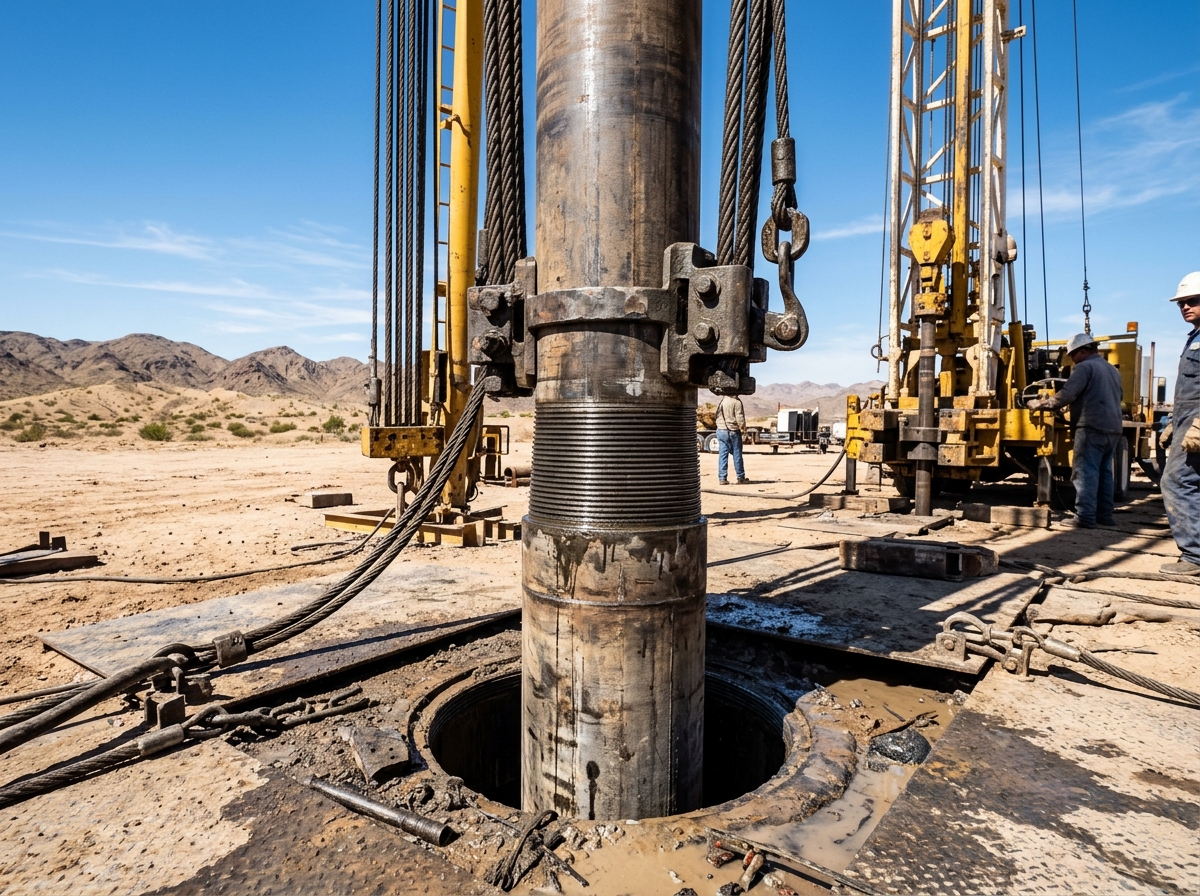
Beyond deep residential bores, Lynn County operates massive tracts of remote ranch land requiring independent, high-reliability water sources. Cattle operations cannot depend on hauling water to distant pastures. We design and construct heavy-duty livestock well installations engineered explicitly for remote, off-grid environments where standard three-phase municipal power is entirely unavailable.
For isolated livestock tanks, we frequently install commercial-grade solar pumping systems. We mount heavy-duty photovoltaic arrays on engineered steel racks designed to withstand 70+ MPH High Plains wind gusts. These solar panels wire directly into a specialized DC controller that drives a stainless-steel helical rotor submersible pump. Unlike traditional centrifugal pumps, a helical rotor acts like a corkscrew, physically forcing water up the drop pipe even at extremely low RPMs during early morning or late evening sunlight.
We trench dedicated 1.25-inch high-density poly trunk lines directly from the wellhead to the concrete pasture troughs. We bed these lines deep in washed sand to prevent the sharp local caliche rocks from puncturing the plastic under heavy hoof traffic. We install heavy brass isolation valves and commercial float assemblies, ensuring the tanks refill automatically the moment the cattle draw the water down, providing absolute mechanical reliability miles away from the nearest county road.
Well Pump Repair Tahoka TX and Emergency Extraction
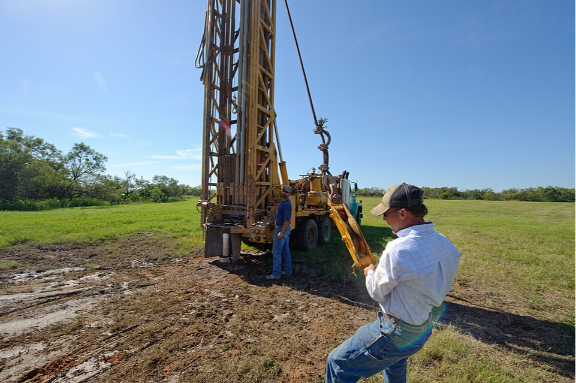
Extracting a burned-out submersible pump from a deep Dockum well requires specialized heavy machinery. You are not just lifting a 50-pound motor; you are lifting hundreds of feet of water-laden steel or heavy Schedule 80 PVC drop pipe, alongside the massive gauge copper electrical wire. Our fleet deploys heavy-duty pump hoist rigs capable of safely winching up to 40,000 pounds directly out of deep boreholes without snapping the line or dropping the string back down the casing.
A dead spigot requires exact electrical troubleshooting. Severe thunderstorms rolling across US-87 frequently drop massive voltage spikes onto the rural grid, instantly melting the starting capacitors or relays inside surface-mounted Franklin Electric control boxes.
Our technicians meter the incoming voltage at the disconnect switch to verify the breaker hasn't dropped a leg of power. We test the continuity across the pressure switches and meter the magnetic contactors for severe pitting and carbon tracking.
If the surface controls are intact, we attach a megohmmeter to the heavy-gauge yellow, black, and red copper motor leads. By pushing a high-voltage test current down the wires, we calculate the exact resistance across the main and start windings hundreds of feet underground.
Once we haul a dead motor out of the casing, we physically cut away the burned unit. We execute industrial underwater wire splicing on the new high-horsepower Goulds or Grundfos motor, utilizing heavy brass crimps and thick-wall, adhesive-lined heat shrink tubing to guarantee a 100% waterproof seal.
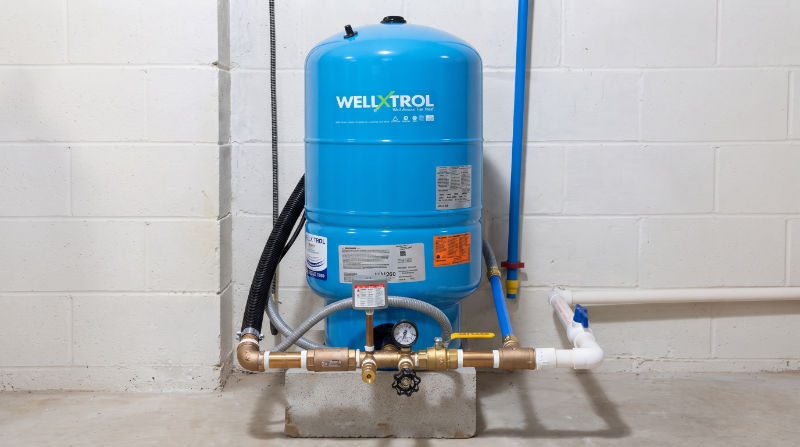
We carry the specific control boxes, massive soft-start drives, pressure switches, and downhole wet ends required to rebuild your entire system immediately. We do not let Lynn County ranches sit dry waiting on backordered parts.
Facing a Dry Well in Lynn County? We Specialize in Well Deepening and Santa Rosa Formations. Call (806) 581-0630.
Contact our Tahoka dispatch desk to consult with drilling engineers on casing logs, red bed penetration, and isolation pressure grouting.